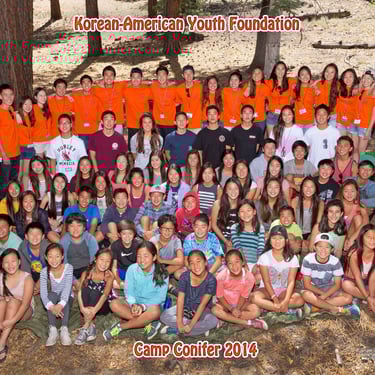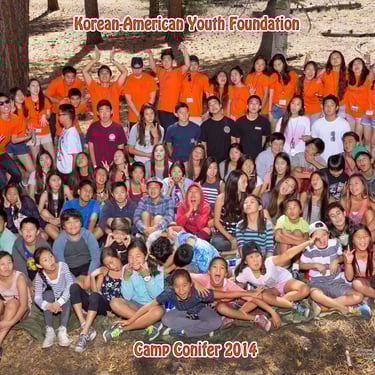
Welcome to Camp Conifer!
Korean American Youth Foundation (KAYF) provides opportunities for youths of Korean ancestry to develop qualities of leadership, social responsibility, and friendship in an environment that fosters awareness and appreciation of their cultural heritage.
Our Mission
Who We Are
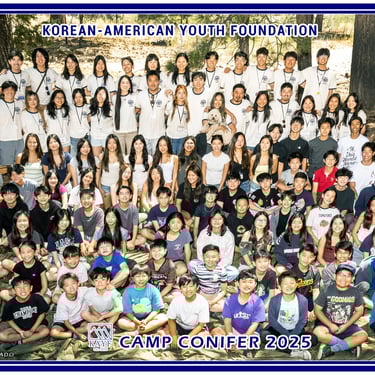
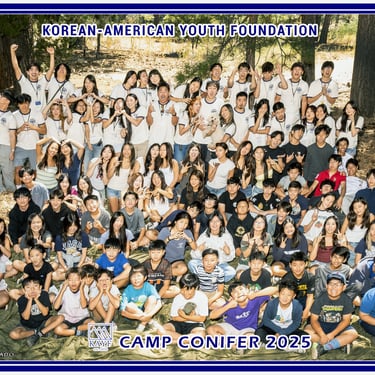
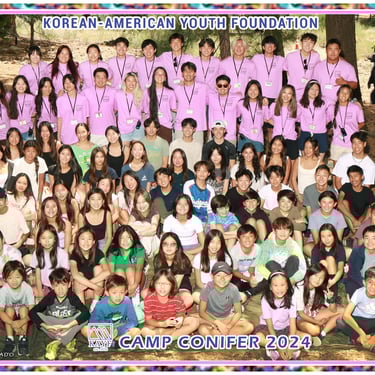
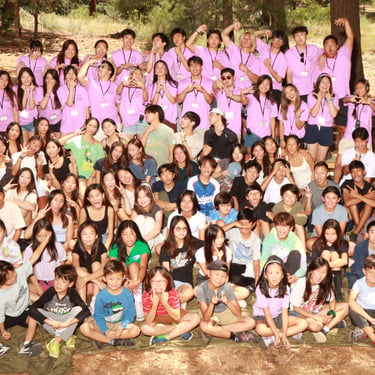
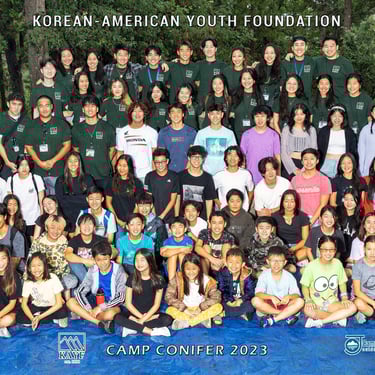
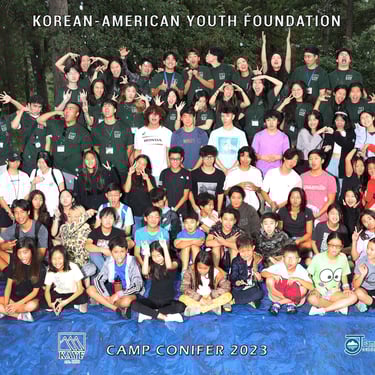
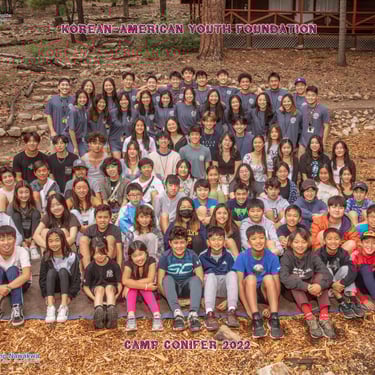
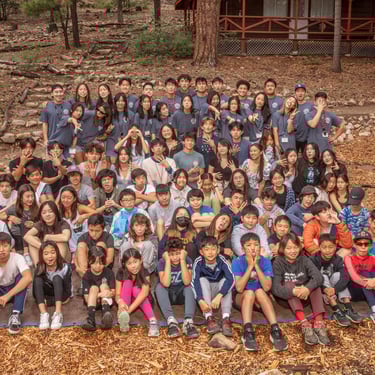
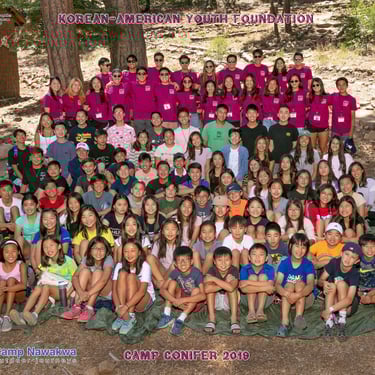
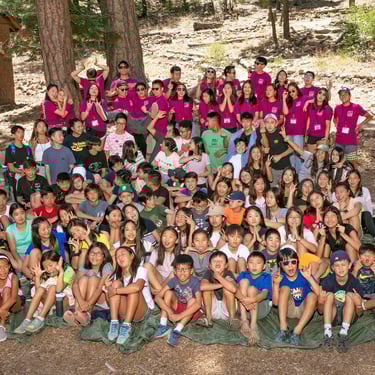
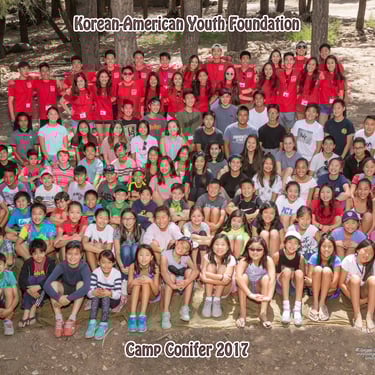
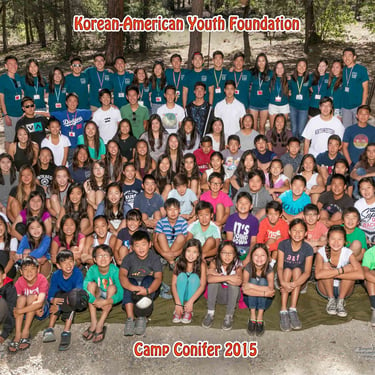
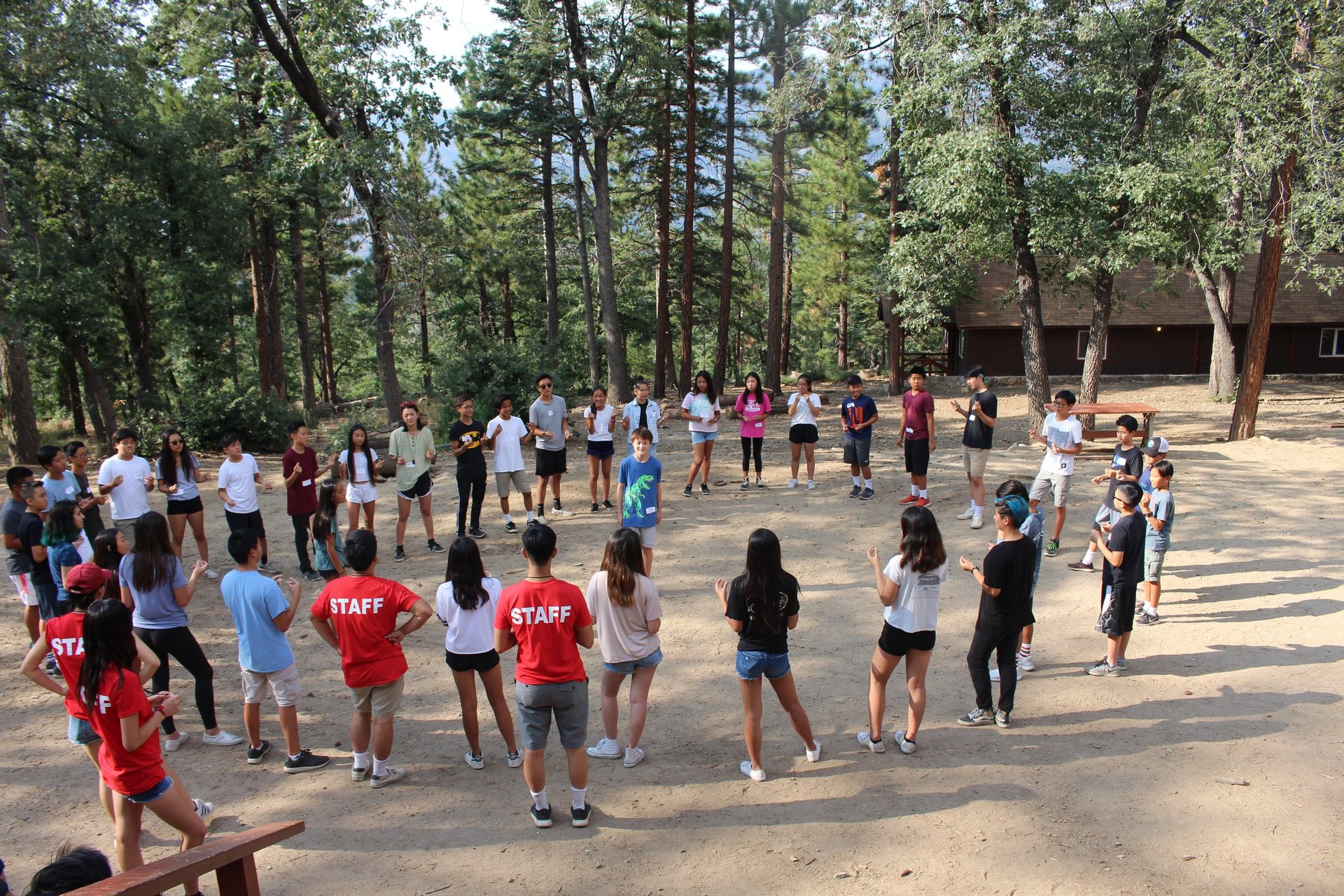
Camp Conifer provides a nurturing environment for children aged 8-16 to explore their heritage, make friends, and create lasting memories through fun activities. Our staff is made up entirely of volunteers and camp alumni dedicated to creating fun memories and lasting friendships for the next generation of campers.
Our History
KAYF provides opportunities for youths of Korean ancestry (ages 8-14) to develop qualities of leadership, social responsibility, and friendship in an environment that fosters awareness and appreciation of their cultural heritage.
The itinerary for each summer includes traditional camp activities—hiking, canoeing, rock wall climbing, arts & crafts, and campfires—blended with culture and heritage-based programming. Past Korean-focused activities include kimchi and mandu making, Pojangmatcha Night, professionally-led traditional Korean drum and folk dancing workshops, Korean calligraphy and stamp making, and more.
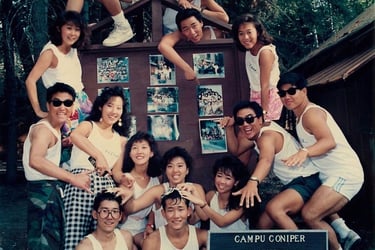
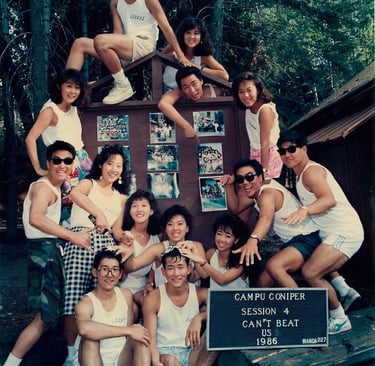
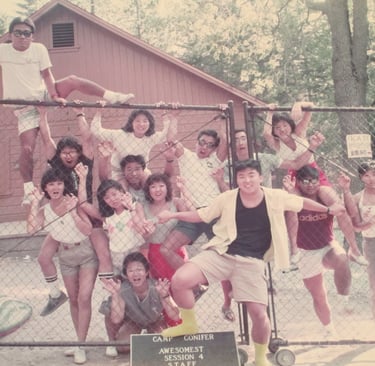
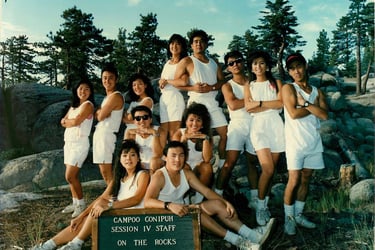
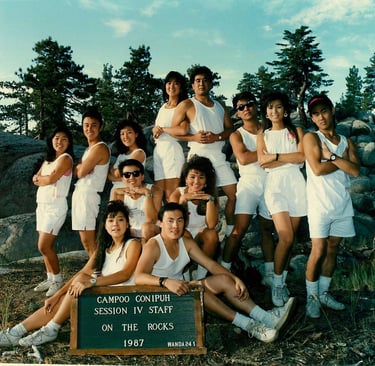
Starting in the early 1970s, hundreds of Korean American youths experienced KAYF's summer camp, fondly referred to as "Camp Conifer," based on the original campsite in Running Springs, California. In its heyday, Camp Conifer ran six weeklong sessions per summer with approximately 100 kids and 10 staff per session, with each week serving a different age group.
The summer camp was founded by a group of Korean immigrants with the goal of strengthening the Korean community in the U.S. and providing the opportunity for their U.S.-born children to meet others like themselves. Initial awareness and support for KAYF stemmed from the Southern California chapters of Ewha Womans University, Yonsei, and Seoul University alumni associations. For many attendees, Camp Conifer represented a refuge through fellow peers who were also being raised by immigrants and shared their similar joys and challenges of growing up straddling cultures. Camp Conifer became a second family and “home away from home,” and as these children grew into adults, their friendships evolved into a tight-knit network that their own children have been able to benefit from today, as this “second generation” of campers are now growing up attending and volunteering for a new iteration of Camp Conifer.
Revived in 2003, Camp Conifer is committed to recreating this space for Korean American youth today.